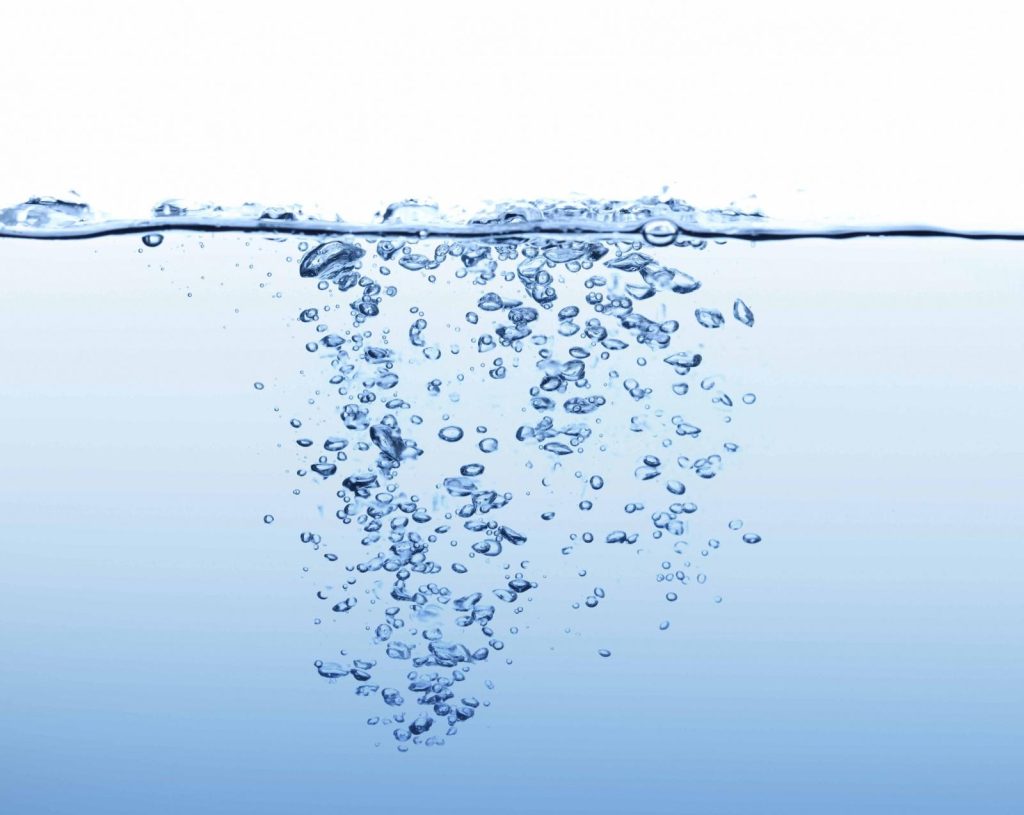
Air bubbles have been used for decades in aquaculture, agriculture, and water treatment to supply oxygen and improve water quality. However, advances in water technology have introduced nanobubbles—microscopic gas bubbles that behave very differently from conventional air bubbles.
Although both technologies introduce gas into water, their performance, efficiency, and applications are significantly different.
In this article, we’ll compare nanobubbles vs. conventional air bubbles and explain why nanobubble technology is becoming an increasingly attractive solution for modern water management.
What Are Air Bubbles?
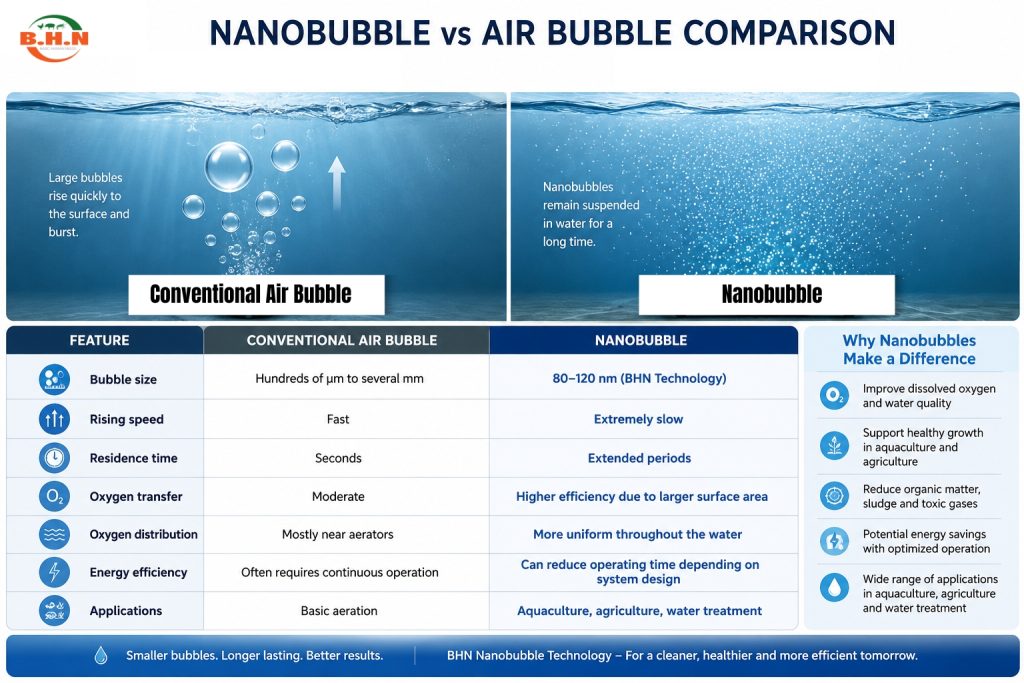
Conventional air bubbles are generated by aerators, diffusers, or air pumps. Their diameter is typically hundreds of micrometers to several millimeters.
Because of their relatively large size, these bubbles rise quickly to the water surface and burst within seconds. As a result, much of the supplied oxygen escapes into the atmosphere before it can dissolve into the water.
Characteristics of Air Bubbles
- Large bubble size
- Rise rapidly to the surface
- Short residence time
- Lower oxygen transfer efficiency
- Continuous aeration is often required
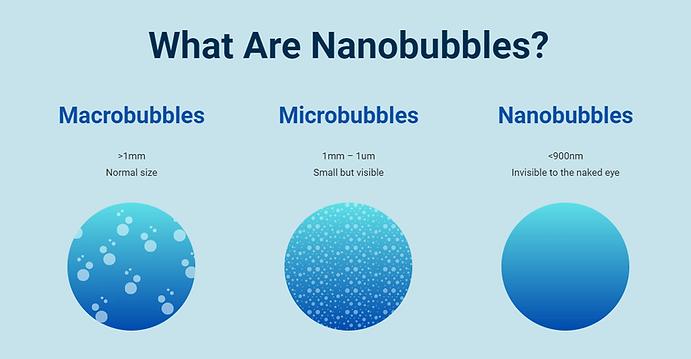
What Are Nanobubbles?
Nanobubbles are extremely small gas bubbles, generally less than 200 nanometers in diameter. BHN Nanobubble Technology typically generates nanobubbles in the range of 80–120 nm.
Unlike ordinary air bubbles, nanobubbles behave differently due to their microscopic size.
Instead of rising immediately, many nanobubbles remain suspended in water for extended periods, allowing oxygen to stay available in the water much longer.
Characteristics of Nanobubbles
- Bubble size below 200 nm
- Long residence time in water
- Large gas-liquid contact area
- Stable oxygen availability
- Uniform oxygen distribution throughout the water body
Why Bubble Size Matters?
One of the biggest differences lies in surface area.
When the same volume of gas is divided into millions of tiny nanobubbles instead of a few large bubbles, the total gas-liquid contact surface increases dramatically.
This larger contact area improves the opportunity for oxygen to dissolve into the water before reaching the surface.
As a result, nanobubble systems can improve oxygen transfer efficiency compared with conventional aeration methods.
Benefits in Aquaculture
For shrimp and fish farming, dissolved oxygen is one of the most critical water quality parameters.
Compared with conventional air bubbles, nanobubble technology can provide several operational advantages:
1. Stable Dissolved Oxygen
A properly designed nanobubble system can help maintain more stable dissolved oxygen levels throughout the day and night.
For example, BHN Nanobubble Technology is designed to help maintain DO around 7–8 ppm with oxygen saturation (SAT) between 100–120%, depending on pond conditions and management practices.
2. More Uniform Oxygen Distribution
Traditional aerators often create areas with high oxygen concentration near the equipment while other parts of the pond receive less oxygen.
Nanobubbles help distribute dissolved oxygen more evenly throughout the pond.
3. Cleaner Pond Environment
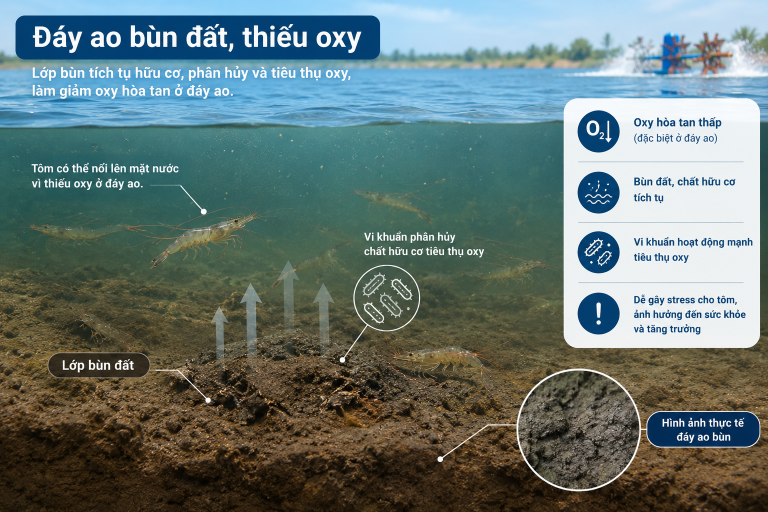
Improved oxygen availability supports aerobic biological processes that help decompose organic matter more efficiently.
This can contribute to:
- Reduced organic sludge accumulation
- Lower risk of toxic gas formation
- Easier pond cleaning after harvest
Benefits in Agriculture
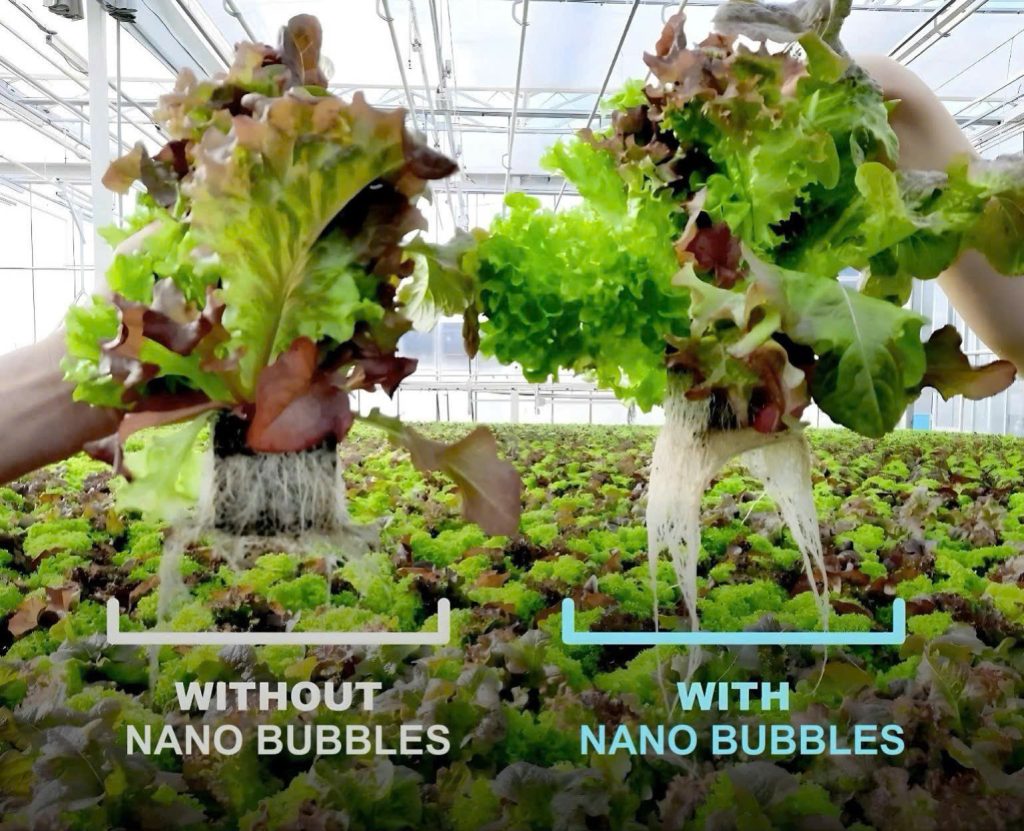
Nanobubbles are increasingly used in irrigation systems because dissolved oxygen plays an important role in root-zone health.
Potential applications include:
- Oxygen-enriched irrigation water
- Improved root respiration
- Enhanced fertilizer utilization
- Better soil microbial activity
Benefits in Water Treatment
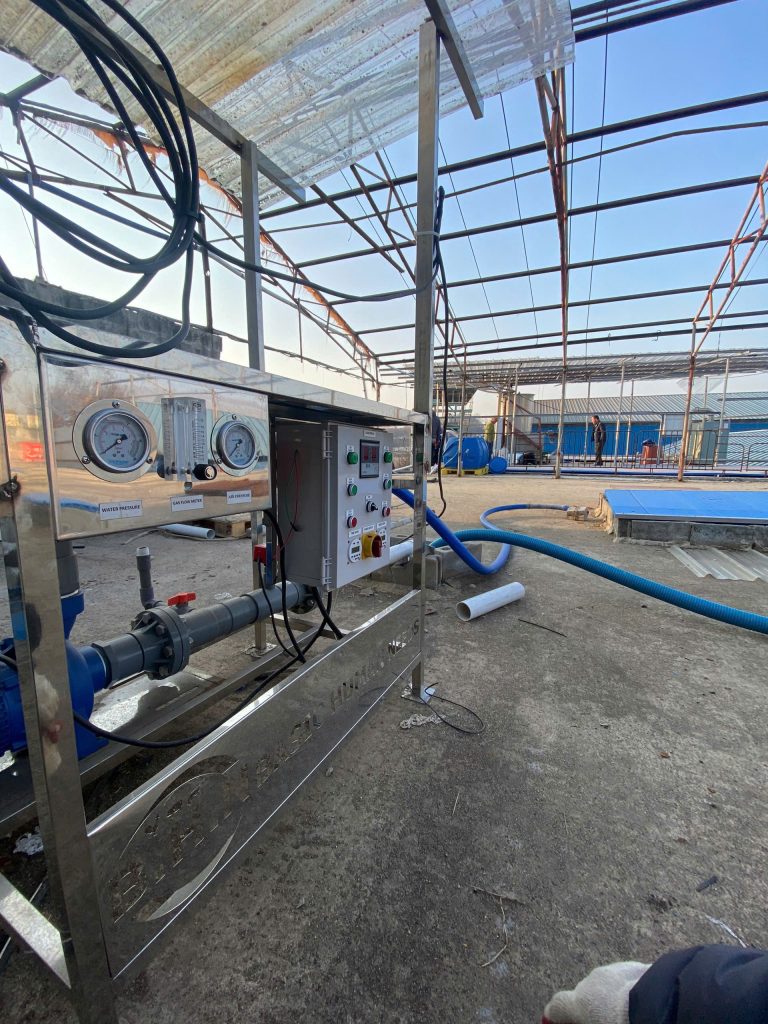
In industrial and municipal water treatment, nanobubbles are used to improve oxygen delivery and support biological treatment processes.
They are also compatible with gases such as oxygen and ozone for specific treatment applications.
Typical applications include:
- Wastewater treatment
- Odor reduction
- Organic matter degradation
- Biological treatment support
Is Nanobubble Technology More Energy Efficient?
Conventional aeration systems often operate continuously to maintain dissolved oxygen.
Depending on pond conditions, stocking density, and system design, nanobubble systems may achieve the required dissolved oxygen with shorter operating periods, potentially reducing overall energy consumption.
Actual energy savings will vary based on each installation and operating conditions.
Which Technology Should You Choose?
The answer depends on your objectives.
Choose conventional air bubbles if you only need basic aeration at a low initial investment.
Choose nanobubble technology if your goal is:
- More stable dissolved oxygen
- Better oxygen distribution
- Improved water quality management
- Reduced sludge accumulation
- Potential energy savings
- Long-term operational efficiency
Why Choose BHN Nanobubble Technology?
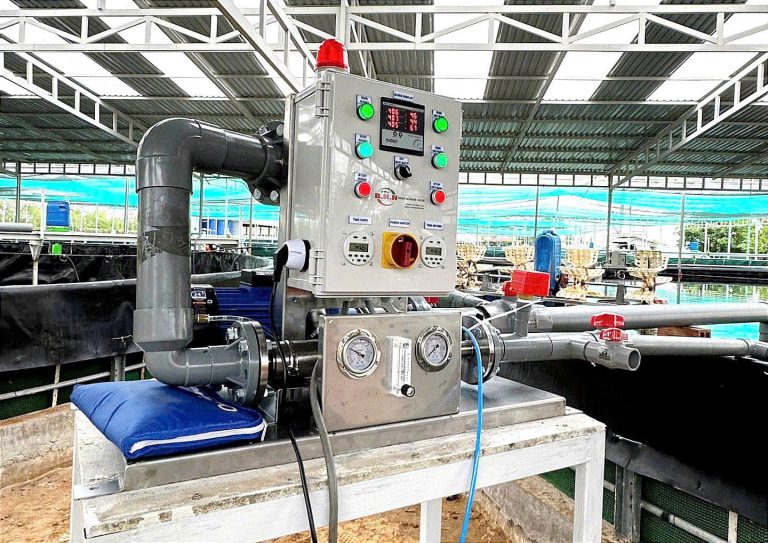
BHN Nanobubble Technology is engineered to provide reliable oxygen management across a wide range of applications.
Our systems are available in multiple capacities for:
- Shrimp farming
- Fish farming
- Hatcheries
- Agriculture
- Water treatment
Key advantages include:
- Stable dissolved oxygen management
- Uniform oxygen distribution
- Multiple system capacities
- Compatible with oxygen and ozone applications
- Professional technical support and system consultation
Contact BHN
Looking for the right nanobubble solution for your farm or facility?
Our engineering team is ready to recommend the most suitable system based on your application.
☎️ Hotline: +84 28 6681 0195 / 96
📧 Email: bhnenc@gmail.com
🌐 Website: bhnenc.com
💬 Zalo: +84 396 298 810